Nigeria's EV challenge is not a reason to wait
17 Sep 2026
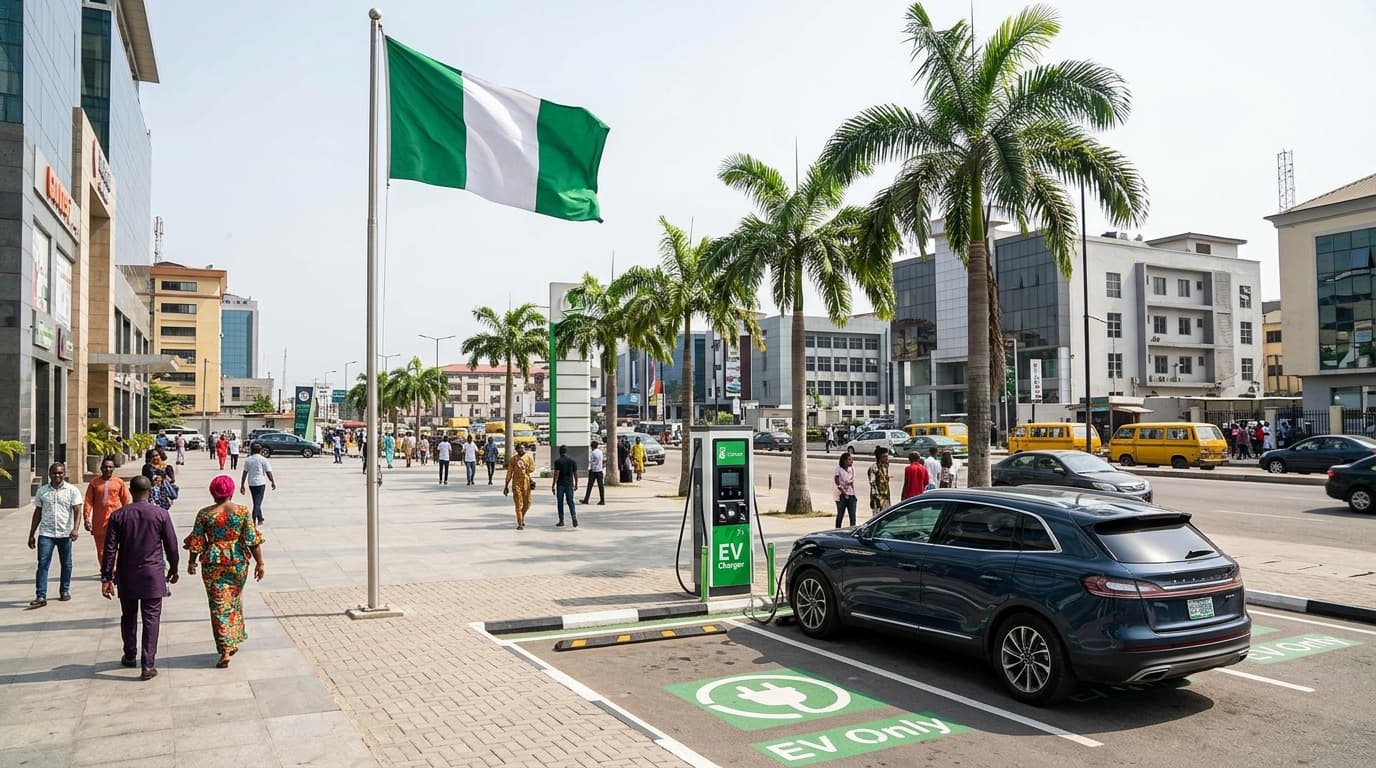
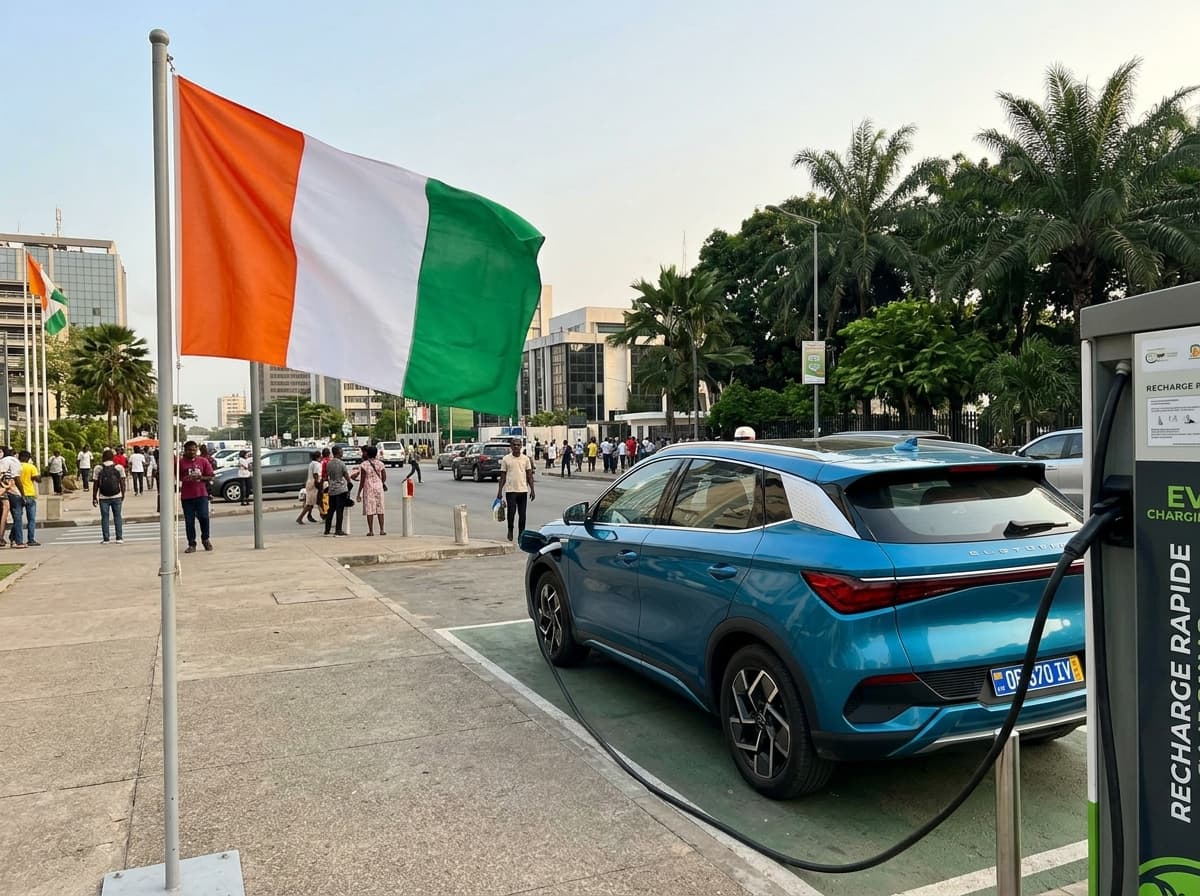
Nigeria is pushing electric vehicle adoption at the same time that its electricity system remains one of the market's biggest constraints.
In the first half of 2026, nearly 4,000 EVs received tax exemptions under Nigeria's clean transport push. Reuters also reported that the national grid supplies roughly 4,000 MW to a population of more than 200 million people, with only about 48 public charging stations reported in late 2025.
At first glance, those numbers appear contradictory. Why promote EVs when the electricity system is still under pressure?
The better question is different.
What EV operating model works within the infrastructure that exists today?
That changes the conversation from waiting for a perfect grid to designing around the actual constraints. For West African markets, that could mean: Home and workplace charging where vehicles spend long periods parked.
Depot charging for fleets that return to a predictable base each day.
Solar and battery storage where grid reliability makes standalone charging difficult.
Battery swapping for motorcycles and three-wheelers where speed and utilisation matter.
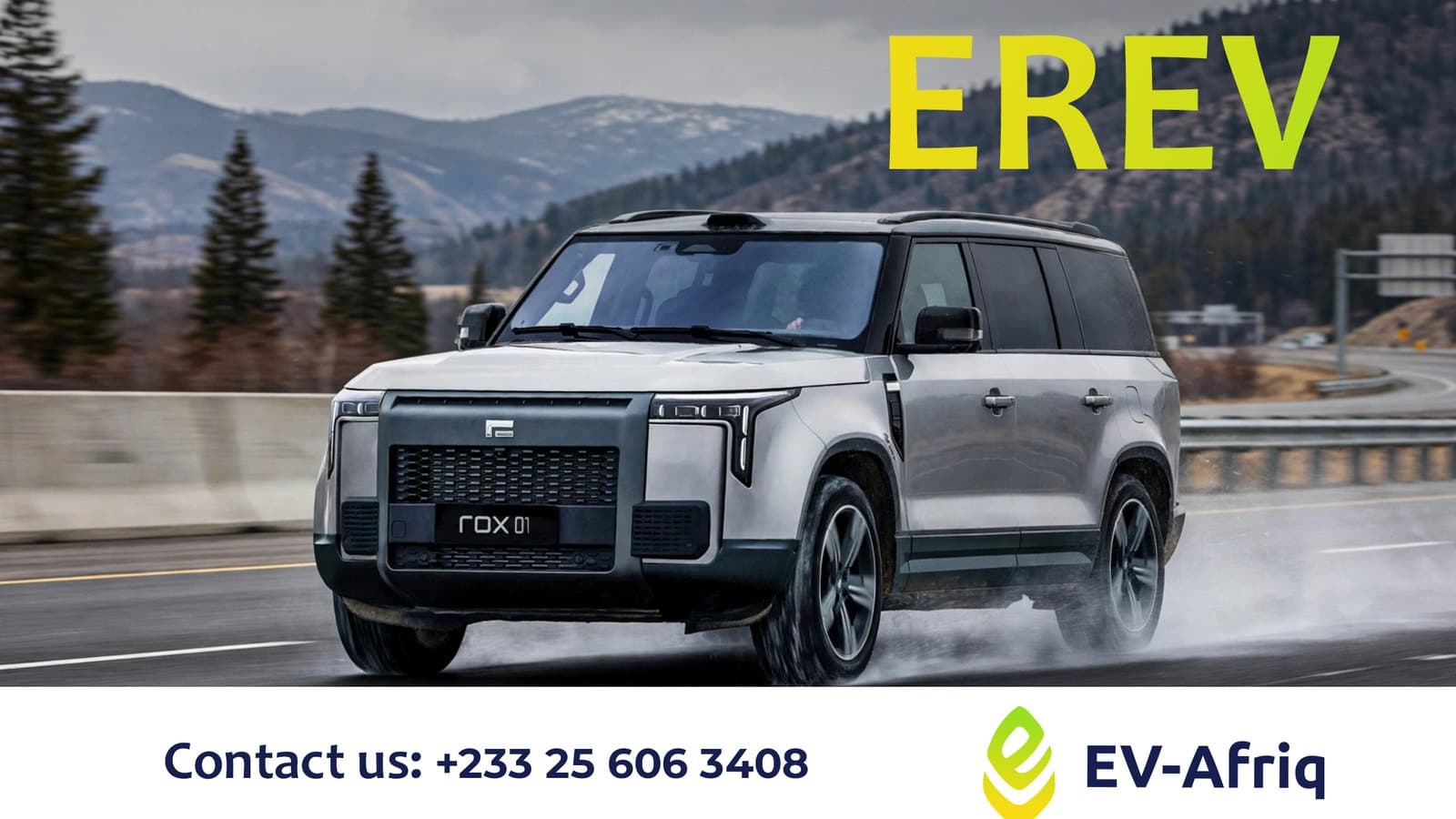
Vehicle selection based on route, daily mileage, charging access and commercial use, not simply battery range. Nigeria is already seeing parts of this model emerge. Electric motorcycles and three-wheelers are expanding around battery-swapping networks, while some four-wheel vehicle providers are considering hybrids and range-extender models for users who cannot depend on public charging alone.
The lesson for Ghana and the wider West African market is important.
EV adoption cannot be treated as a vehicle-sales problem only. Financing, charging, power availability, after-sales support and actual driving behaviour have to be designed together.
At EV Afriq, this is the market question that matters to us. Not whether Africa has the same infrastructure as Europe today, but how electric mobility can work economically within African conditions now.
A weak grid can slow adoption. It does not automatically make adoption impossible.
The companies that understand the operating model behind the vehicle will have a stronger chance of building the market.
If you are considering an EV for yourself, your company or your fleet, speak to EV Afriq. We can support your vehicle needs from vehicle selection and sourcing through financing guidance, delivery and charging support.
Email: info@evafriq.com Call/WhatsApp: +233 25 606 3408